
Digital trade needs a shipping container moment
The shipping container was a great piece of engineering. But engineering isn’t what made it transformative.
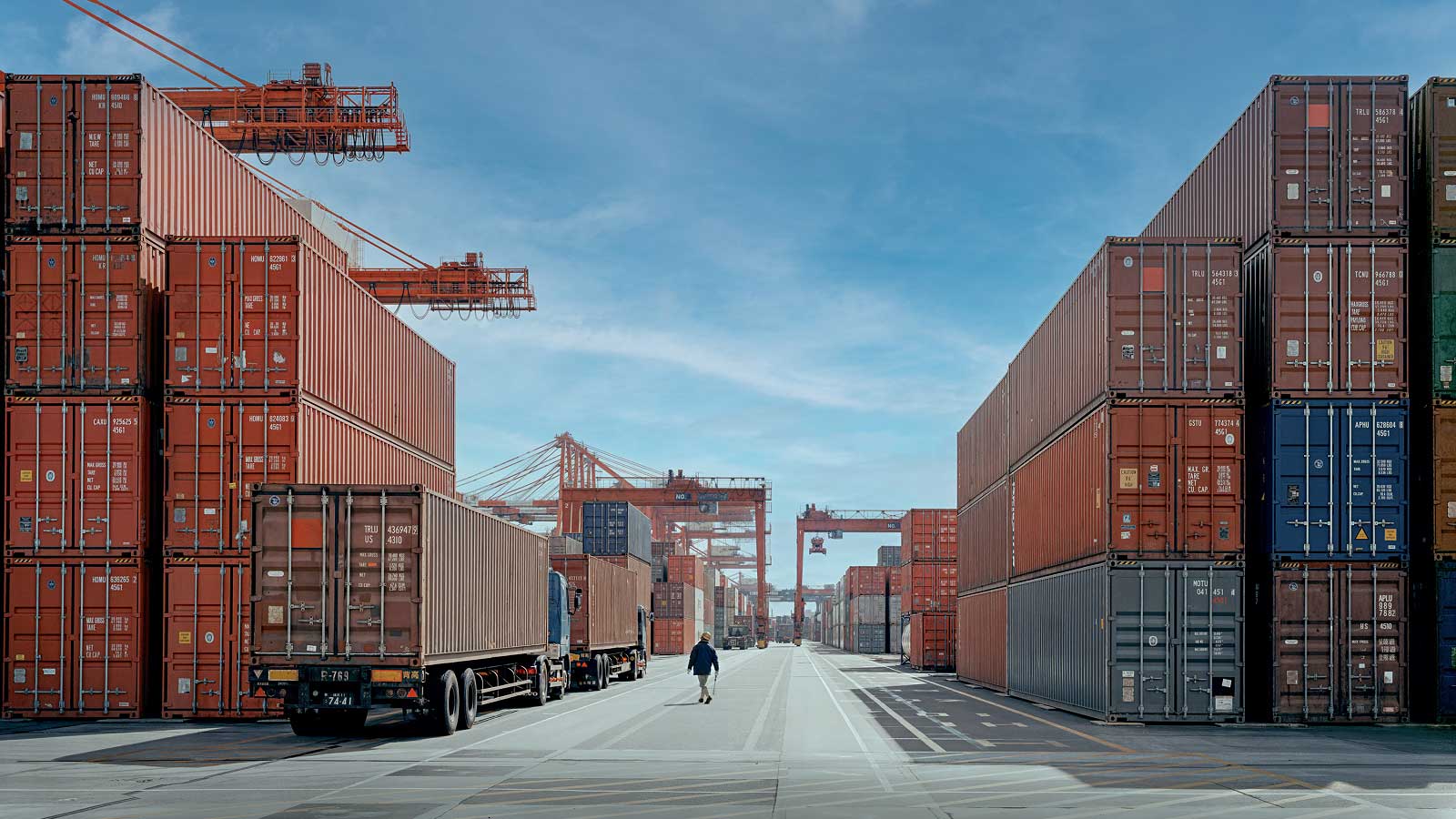
What made it transformative was that competitors across ports, carriers and customs authorities agreed to build around the same standard and stop optimising for themselves – and digital trade needs a similar moment.

Making trade paperless
Today, paper still serves as the bridge between multiple digital islands. Every day, billions of physical documents — bills of lading, certificates of origin and other trade documents — continue to pass between exporters, shipping companies, ports, customs authorities, insurers, freight forwarders and banks.
There has been some progress. Electronic bills of lading are gaining acceptance, and more jurisdictions are adopting legislation based on the UN’s Model Law on Electronic Transferable Records.
But much of the industry assumes that paper will persist. As a result, considerable investment is still going into extracting data from documents to make paper less painful, rather than unnecessary.
As the world’s leading trade bank, we have a significant role to play. We collaborate with key players in the digital trade ecosystem, to help make paperless trade a reality in the future.
We’re embracing technology – and our digital trade finance platform, HSBC Trade Solutions, is one of the largest system builds in our history. A key capability is TradePay, which enables straight-through processing to accelerate payments to suppliers.
Digital trade revolution
A genuine digital trade revolution could unlock the next wave of productivity gains to drive growth in global trade. Unfortunately, technology alone will not deliver it.
The adoption of the 20ft x 40ft shipping container 70 years ago transformed global trade by requiring participants across multiple industries and geographies to set aside individual interests and invest behind a common global standard.
Perhaps the greatest lesson we can learn is that the biggest gains came not from better boxes, but from everyone agreeing to use the same ones.
Industry leaders should now apply that lesson to data.
This article is based on a letter by Vivek published in the Financial Times (opens in new window).

HSBC and Trade
We’re the world’s largest and best trade bank. We support businesses to grow, connect, expand into new markets, and navigate an ever-changing global landscape.